
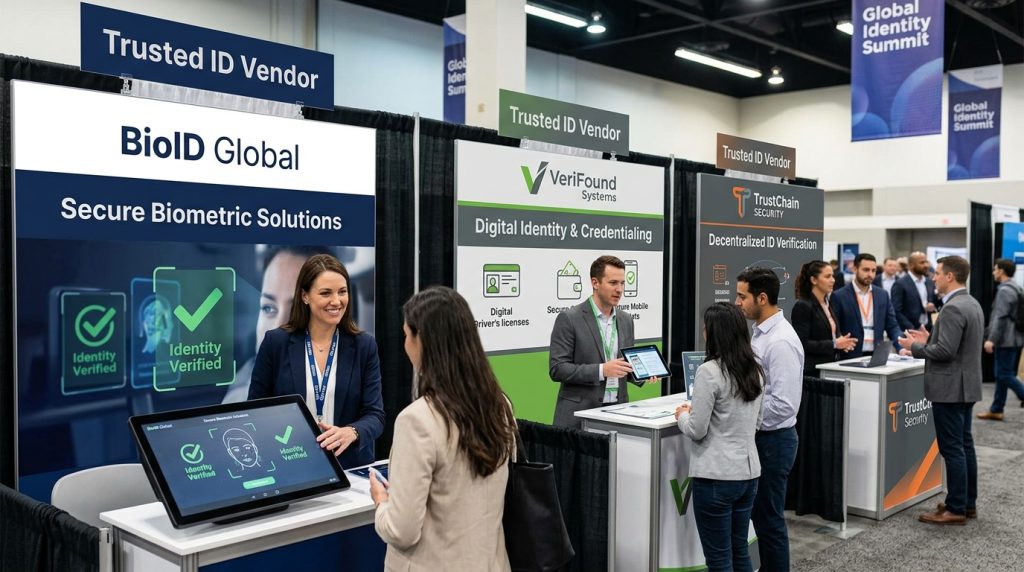
In the complex world of novelty identification and document replication, the line between a high-fidelity masterpiece and a poor-quality imitation is razor-thin. For those navigating this niche, whether for theatrical use, film production, or novelty collections, the primary challenge isn’t just finding a provider—it’s identifying Trusted Fake ID Vendors who prioritize craftsmanship over quick profits.
As security features on government-issued documents become increasingly sophisticated, the “garage-op” printing methods of a decade ago have become obsolete. Today, a professional-grade replica requires industrial-level technology and a deep understanding of physical security variables.
The Technical Benchmark of a Professional Vendor
A human touch in the manufacturing process is what separates a “novelty card” from a professional replica. When searching for Trusted Fake ID Vendors, the first thing to examine is the substrate material. Modern identification has moved almost exclusively to Polycarbonate (PC). Unlike standard PVC, polycarbonate has a unique “metallic” sound when dropped on a hard surface and allows for laser engraving that is physically tactile to the touch.
Furthermore, the integration of OVI (Optically Variable Ink) and multi-layered holograms is a hallmark of a vendor who invests in their hardware. If a provider uses generic “one-size-fits-all” holograms, they fail the reliability test. Top-tier vendors custom-manufacture their laminates to ensure that the color-shifting properties match the original document’s specific light-reflection angles.
Digital Integrity and Scannability
In 2024, a card’s physical appearance is only half the battle. The digital backend—specifically the PDF417 barcode—must be flawlessly encoded. Trusted Fake ID Vendors understand that barcode data isn’t just a copy-paste job; it requires specific “parsing” logic that matches the front-of-card information exactly, including hidden internal delimiters that security scanners look for.
A professional vendor will also ensure that the “ghost image” (the smaller, semi-transparent version of the portrait) is correctly dithered. On a high-quality card, this image isn’t just faded; it’s integrated into the card’s layers, making it impossible to scrape off or alter without destroying the document.
The Power of Community Verification
The most reliable way to separate the experts from the amateurs is through community-driven data. Resources like the Verified Vendor List serve as a crucial safeguard for the community. These platforms utilize “blind testing,” where experienced moderators order from shops anonymously to verify delivery times, stealth packaging, and, most importantly, the physical quality of the product.
Trusted Fake ID Vendors usually have a transparent track record on these forums. They don’t shy away from critiques; instead, they use feedback to update their templates and improve their security features.
Final Thoughts for the Discerning Buyer
Navigating this market requires a balance of skepticism and technical knowledge. By focusing on the quality of materials—specifically polycarbonate substrates and tactile laser engraving—and cross-referencing providers with established verified lists, you can ensure you are dealing with professionals. In an industry where precision is everything, settling for anything less than the industry’s most Trusted Fake ID Vendors is a risk not worth taking.
