
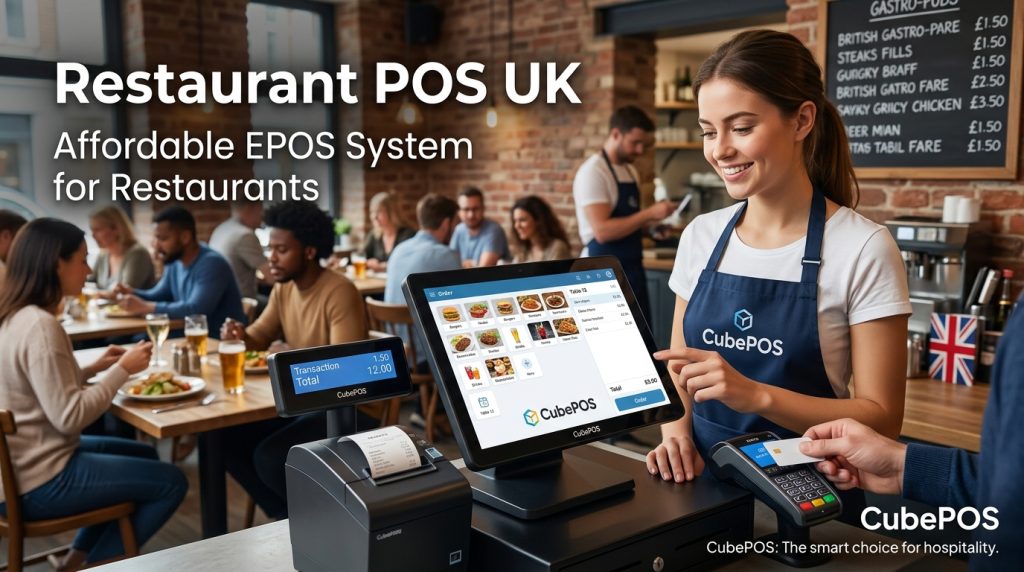
In the current UK hospitality climate, efficiency is the cornerstone of every successful dining establishment. From independent bistros to large-scale eateries, the demand for precision in service and backend management has never been higher. As we navigate 2026, the shift toward fully integrated digital ecosystems is allowing business owners to reclaim their time and focus on what truly matters: the culinary experience and guest satisfaction.
Streamlining the Front-of-House Experience
The first point of contact between a guest and a restaurant’s technology often happens at the table or the counter. A slow or clunky ordering process can set a negative tone for the entire meal. By implementing a sophisticated point of sale for restaurants, managers can ensure that the transition from menu selection to kitchen preparation is instantaneous.
This level of automation eliminates the bottlenecks often found at central till points. Handheld devices and synced terminals allow servers to spend more time on the floor engaging with diners rather than running back and forth to input orders. Furthermore, these systems handle complex requests—such as dietary requirements or split bills—with ease, reducing the margin for error and ensuring that the guest’s final impression is one of professional, frictionless service.
Revolutionizing Backend Operations
While the customer sees the sleek interface at the table, the real magic happens behind the scenes. Modern software does far more than just process payments; it acts as a comprehensive management hub. Utilizing a high-performance point of sale for restaurants provides owners with a bird’s-eye view of their entire operation, from real-time sales data to staff performance metrics.
One of the most significant advantages of modern digital tools is the ability to track inventory with surgical precision. Instead of manual stocktakes at the end of a long shift, these systems automatically deduct ingredients as dishes are sold. This data-driven approach helps chefs optimize their menus, reduce food waste, and ensure that high-demand items are always available. In an era where rising costs are a constant concern, this level of granular control over overheads can significantly protect a restaurant’s profit margins.
Why Digital Integration is No Longer Optional
- Payment Versatility: Support for all modern payment methods, including mobile wallets and contactless cards, ensures you never turn away a customer.
- Staff Empowerment: Intuitive interfaces mean less time spent on training and fewer mistakes during high-pressure shifts.
- Customer Insights: Understand your busiest periods and most popular dishes to make informed decisions about staffing and marketing.
- Cloud Reliability: Securely access your business data from any location, providing peace of mind for owners on the go.
Building a Resilient Business
The UK’s dining scene remains one of the most competitive in the world. To thrive, restaurants must be agile enough to adapt to changing trends and consumer habits. Investing in a professional digital infrastructure is not just about upgrading hardware; it is about building a foundation for sustainable growth. By leveraging the right technology, hospitality leaders can create a more harmonious workplace for their staff and a more memorable experience for their patrons.
