
International travel for commercial expansion, trade shows, and corporate networking requires careful preparation and an understanding of regional immigration rules. As global markets become increasingly interconnected, professionals frequently travel between dynamic economic hubs in Asia, Europe, and the Middle East. Ensuring you hold the appropriate entry authorization prevents costly airport disruptions and guarantees full legal compliance during your trips.
Expanding Horizons: Managing Corporate Travel to Southeast Asia
Southeast Asia continues to serve as a magnet for foreign investment, manufacturing, and international trade. Rapidly growing economies in the region draw corporate executives, consultants, and entrepreneurs seeking to establish regional operations or engage with manufacturing partners.
When organizing commercial travel to the region, securing the appropriate legal authorization is essential before booking flights. For instance, traveling to participate in commercial negotiations, execute contracts, or attend trade expos requires obtaining a VIETNAM BUSINESS VISA. While tourist authorizations cover leisure activities, conducting formal corporate affairs under a tourist permit can lead to administrative penalties or entry denials at border control.
Key considerations for corporate travel include:
- Scope of Activities: Confirming that your planned tasks align with business visitation guidelines rather than restricted local employment.
- Sponsorship Letters: Carrying official invitation letters from host organizations to expedite processing at immigration checkpoints.
- Entry Gate Alignment: Ensuring your approved permit specifies your exact port of entry, whether arriving at international airports or land border posts.
Strategic Transits: Leveraging European Permits for Middle Eastern Travel
Navigating international entry requirements often involves understanding how travel documents from one region can facilitate access to another. Many countries offer simplified entry pathways or e-Visa eligibility for foreign nationals who hold valid visas or residence permits from major global jurisdictions.
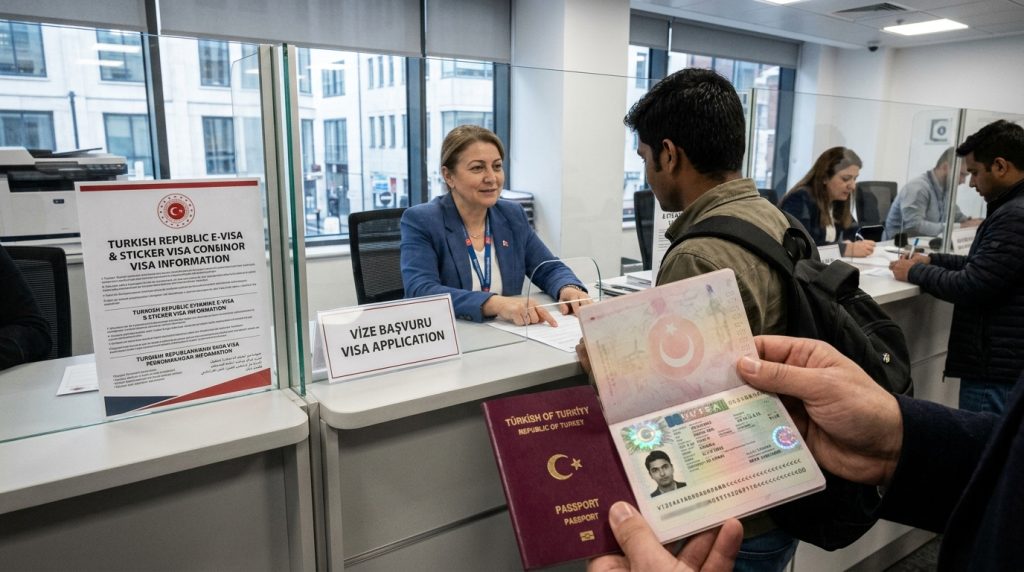
Türkiye, for example, serves as a vital bridge between Europe and Asia and maintains flexible entry policies for international visitors. Travelers holding valid travel documents from the Schengen Zone, the United States, the United Kingdom, or Ireland often qualify for streamlined electronic visa processing. Understanding how to utilize a SCHENEGEN VISA FOR TURKEY VISA application allows eligible travelers to secure fast-track entry approvals online rather than visiting traditional diplomatic missions.
Utilizing supporting credentials from recognized nations simplifies border crossings and eliminates redundant paperwork for frequent international travelers.
Best Practices for Frictionless Border Clearance
To maintain a hassle-free travel schedule across international destinations, keep these core guidelines in mind:
- Verify Passport Expiration: Ensure your passport maintains at least six months of validity beyond your intended departure date.
- Ensure Accurate Data Entry: Double-check that your full legal name, passport number, and date of birth match your travel documents character-for-character.
- Carry Supporting Documentation: Keep printed physical copies of your visa approval letters, accommodation details, and return flight tickets in your carry-on luggage.
- Monitor Application Timelines: Submit digital visa requests at least one to two weeks before your planned travel date to account for potential processing reviews.
Final Thoughts
Successfully navigating global entry permits relies on understanding destination-specific requirements and using available digital immigration tools. By securing proper business authorizations and leveraging valid supporting credentials, corporate and leisure travelers can handle border logistics smoothly and focus on achieving their trip objectives.
