
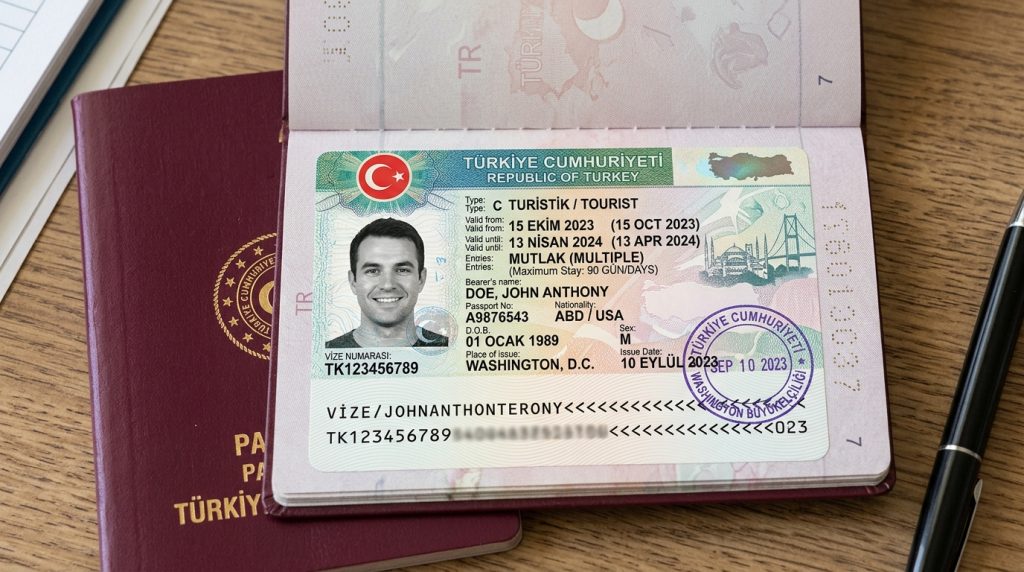
In recent years, Turkey has established itself as one of the world’s top travel destinations. Offering a breathtaking blend of ancient history, stunning coastlines, and a vibrant culinary scene, it attracts millions of tourists and business travelers annually. To make entry as seamless as possible, the Turkish government introduced the electronic visa (e-Visa) system. This digital transition eliminates the need to visit an embassy or wait in grueling airport lines.
However, because the system is fully automated, the margin for error is razor-thin. A single typo or a misunderstood requirement can result in an immediate rejection or, worse, being turned away at the boarding gate. To ensure your travel plans stay on track, this comprehensive guide breaks down the essential steps to securing your travel authorization smoothly.
Step 1: Confirm Your Eligibility Before You Apply
Before you begin gathering documents or booking flights, you need to verify whether your nationality permits entry via an electronic visa. The Turkish government categorizes countries into distinct tiers. Some citizens enjoy visa-free entry, others qualify for a hassle-free e-Visa, and some must still navigate the traditional sticker visa process at a physical consulate.
Furthermore, conditional e-Visa rules apply to specific nations. For instance, certain travelers may only utilize the e-Visa system if they hold a valid visa or residence permit from a Schengen country, the United States, the United Kingdom, or Ireland. Because these immigration policies shift frequently due to bilateral agreements, using a reliable digital tool is the smartest first step. To verify your current standing instantly, you can use the official TURKEY VISA ELIGIBILITY CHECKER TOOL to determine your exact requirements based on your passport type and nationality.
Step 2: Avoid Common Pitfalls That Lead to Delays
The convenience of an online application often gives travelers a false sense of security. Because the forms take only a few minutes to fill out, many applicants rush through the portal without cross-checking their details. This lack of attention to detail is the primary reason applications face unexpected delays or outright cancellations.
Understanding the nuances of the digital form can save you significant time, money, and stress. It is crucial to read up on the most frequent TURKEY VISA MISTAKES TO AVOID to ensure your application passes the automated vetting system without a hitch.
To give you a head start, let’s look at the three most critical errors that frequently disrupt travelers’ plans:
1. Inexact Passport Data Matching
The automated scanning systems at border control require absolute perfection. If your first name contains special characters or a middle name that you omitted on the application form, the e-Visa becomes legally invalid. You must enter your details exactly as they appear in the Machine-Readable Zone (MRZ) at the bottom of your passport photo page.
2. Confusing Validity Dates with Stay Durations
A common misconception involves the lifetime of the visa versus the permitted length of stay. A Turkish e-Visa might be valid for a 180-day window, but this does not mean you can stay in Istanbul for six months straight. Depending on your nationality, you are restricted to either a 30-day or 90-day stay within that period. Overstaying these limits triggers heavy fines, potential deportation, and future travel bans.
3. Using the Wrong Passport Type
If you hold dual citizenship or possess a diplomatic, official, or service passport, you must apply using the exact document you intend to carry during your journey. Applying with a regular passport number online but showing up at customs with a physical official passport will result in an automatic denial of entry.
Step 3: Gather the Required Supporting Documents
Once you have verified your eligibility and learned what mistakes to avoid, assemble your paperwork. Having these items ready beforehand ensures your session won’t time out during the online application process.
- Passport Validity: Your passport must be valid for at least 60 days beyond the duration of stay specified on your e-Visa. If your visa allows a 90-day stay, your passport needs at least 150 days of validity remaining from your date of entry.
- Active Email Address: All correspondence, updates, and the final downloadable PDF visa copy will be sent to this inbox. Avoid using outdated corporate emails that might block automated messages.
- Valid Payment Method: You will need a credit card, debit card, or secure online payment account to cover the government processing fees.
Final Strategy for a Smooth Journey
Securing your e-Visa is only half the battle; how you manage it at the border matters just as much. While immigration officers can technically scan your digital passport to view your electronic visa status, technology can occasionally experience downtime.
As a best practice, always print a physical, high-quality copy of your approved e-Visa certificate and pack it securely in your carry-on luggage. Additionally, save an offline digital PDF version on your smartphone or cloud storage. Having both formats accessible ensures that you can present proof of authorization instantly, regardless of airport Wi-Fi connectivity or local network glitches. By double-checking your details and preparing well in advance, you can step off the plane in Turkey ready to enjoy everything this magnificent country has to offer.
