
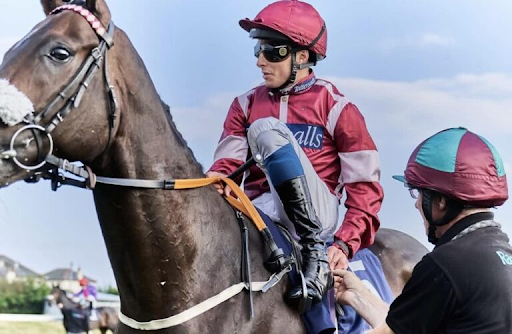
Horse racing has been an integral part of India’s sporting culture for generations, combining athletic excellence, strategic competition, and a rich historical legacy. Among the country’s major racing destinations, the Hyderabad race circuit has earned widespread recognition for its competitive race meetings and contribution to the development of thoroughbred racing. Dating back to the 19th century, horse racing in Hyderabad has evolved into a professionally managed sport that attracts experienced trainers, jockeys, owners, and racing enthusiasts from across the country. Today, the Hyderabad race calendar remains an important part of India’s national racing season, offering competitive events that showcase some of the finest thoroughbred talent in the country.
The History of Horse Racing in Hyderabad
Horse racing in Hyderabad began in 1868 under the patronage of the Nizam, with races initially conducted at Moula-Ali before moving to the Malakpet Racecourse. Organized racing continued to develop over the decades, eventually leading to the establishment of the Hyderabad Race Club, which formalized racing operations and introduced structured race meetings. Today, Hyderabad is regarded as one of India’s six major turf authorities and continues to host prestigious races throughout the year.
Why Hyderabad Is an Important Racing Centre
Hyderabad has established itself as one of the country’s leading horse racing destinations due to its well-organized racing infrastructure and competitive events.
Some of the factors contributing to its importance include:
- Historic racecourse with a rich legacy
- Seasonal racing calendar
- Competitive thoroughbred races
- Experienced trainers and jockeys
- Prestigious feature races
- Professional race management
These qualities have helped Hyderabad remain an important part of India’s horse racing network.
How Horse Racing Competitions Are Structured
Modern horse racing follows standardized regulations designed to create fair competition among participating horses.
Race conditions are determined using factors such as:
- Horse age
- Handicap ratings
- Assigned racing weights
- Distance of the race
- Track conditions
- Competition class
These regulations ensure balanced races while allowing horses of similar ability to compete fairly.
Professionals Who Make Racing Possible
Every successful race meeting depends on the coordinated efforts of numerous professionals working together behind the scenes.
These include:
- Horse owners
- Trainers
- Licensed jockeys
- Stable staff
- Veterinarians
- Racing officials
Each plays an important role in preparing horses, ensuring their welfare, and maintaining the integrity of the sport.
Major Racing Events in Hyderabad
The Hyderabad racing calendar features several prestigious races that attract participants from across India. Events such as the Deccan Derby, President of India Gold Cup, and Nizam’s Gold Cup have become important fixtures within the national racing circuit. These competitions showcase talented thoroughbreds while highlighting the city’s longstanding contribution to Indian horse racing. The racing season is generally divided into monsoon and winter meetings, allowing horses to compete under varying conditions throughout the year. The Hyderabad race schedule continues to draw significant attention from racing enthusiasts nationwide.
Horse Welfare and Modern Racing Standards
Modern racing organizations place strong emphasis on horse welfare and responsible race management. Veterinary supervision, structured training schedules, fitness assessments, and carefully monitored race participation all contribute to maintaining the health and safety of racehorses.
These welfare measures not only protect the horses but also strengthen the integrity and sustainability of the sport for future generations.
The Growing Popularity of Horse Racing
Horse racing continues to evolve through improved race management, enhanced breeding programs, technological advancements, and greater public interest. Racing clubs across India work together to maintain high standards while preserving the traditions that have defined the sport for generations.
This combination of history and modernization continues to attract both experienced followers and newcomers to the racing community.
Conclusion
The Hyderabad race circuit remains one of India’s most respected horse racing destinations, offering a blend of historical significance, competitive racing, and professional organization. Alongside other historic racing institutions such as the Delhi Race Club, Hyderabad continues to strengthen India’s rich horse racing heritage while supporting the future growth of this prestigious equestrian sport. Its continued contribution to Indian thoroughbred racing reflects the strength of the country’s interconnected turf network and commitment to maintaining high standards across the sport.
