
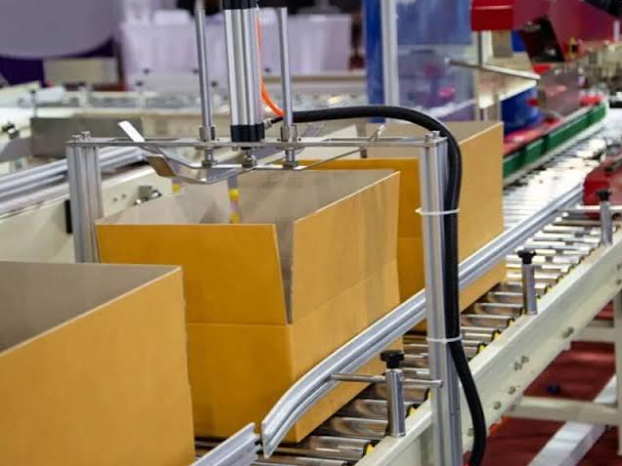
Efficient packaging operations depend on more than just high-quality machinery. Consistent productivity requires reliable equipment, routine maintenance, and timely replacement of worn components. Whether operating in manufacturing, warehousing, food processing, or distribution, businesses need packaging systems that deliver accuracy, speed, and long-term reliability. This is where Durable packaging equipment plays an important role in supporting uninterrupted production.
Modern Durable packaging systems are designed to improve carton sealing, material handling, and end-of-line packaging while reducing manual labor and operational costs. However, even the most dependable packaging equipment requires regular maintenance to maintain peak performance. Proper servicing and preventive maintenance can significantly extend equipment lifespan while reducing unexpected production delays. Packaging machinery that receives scheduled inspections and component replacements generally experiences greater reliability and lower downtime than equipment maintained only after failures occur.
What Is Durable Packaging?
Durable packaging refers to industrial packaging equipment engineered for long-term performance in demanding production environments. These systems are commonly used to automate packaging processes while improving consistency and operational efficiency.
Typical applications include:
- Carton sealing
- Case closing
- Conveyor integration
- Distribution centers
- Manufacturing facilities
- Warehouse packaging operations
Modern packaging systems are available in both semi-automatic and fully automatic configurations to accommodate different production volumes and packaging requirements.
Why Reliable Packaging Equipment Matters
Packaging is often the final stage of the production process. Equipment failures at this point can interrupt the entire manufacturing workflow.
Investing in reliable Durable packaging equipment offers several advantages:
- Increased production efficiency
- Consistent package quality
- Reduced labor requirements
- Lower maintenance costs
- Improved workplace safety
- Higher operational uptime
Reliable packaging systems help businesses meet production targets while minimizing costly interruptions.
Essential Features to Consider
Selecting packaging equipment requires evaluating several important performance factors.
These include:
- Adjustable carton compatibility
- High sealing accuracy
- Durable construction
- Easy operator controls
- Conveyor compatibility
- Safety mechanisms
- Low maintenance requirements
- Energy-efficient operation
Choosing equipment that aligns with production needs helps maximize long-term return on investment.
The Importance of Preventive Maintenance
Routine maintenance is one of the most effective ways to improve equipment reliability.
Preventive maintenance typically includes:
- Cleaning moving components
- Inspecting drive systems
- Lubricating mechanical parts
- Checking electrical connections
- Replacing worn rollers
- Monitoring belt alignment
Regular servicing reduces unexpected breakdowns while extending equipment lifespan.
Why Packaging Equipment Parts Matter
Every packaging machine contains components that naturally wear over time. Replacing worn packaging equipment parts before failure occurs helps maintain production efficiency and reduces the likelihood of emergency repairs.
Common replacement components include:
- Tape heads
- Rollers
- Belts
- Bearings
- Blades
- Springs
- Motors
- Sensors
Maintaining an inventory of frequently used replacement parts allows maintenance teams to complete repairs quickly and minimize downtime.
Industries That Benefit from Durable Packaging Systems
Packaging automation supports a wide variety of industries.
Some of the most common include:
- Food and beverage
- Consumer goods
- Pharmaceutical manufacturing
- E-commerce fulfillment
- Logistics
- Industrial manufacturing
- Distribution centers
Each industry benefits from improved packaging consistency, reduced manual handling, and increased operational efficiency.
Common Causes of Packaging Equipment Downtime
Understanding common equipment failures allows maintenance teams to take preventive action.
Frequent causes include:
- Worn drive belts
- Damaged rollers
- Dull cutting blades
- Poor lubrication
- Sensor failures
- Electrical issues
- Misaligned conveyors
Routine inspections help identify these problems before they result in costly production interruptions.
Best Practices for Long-Term Equipment Performance
Organizations can improve equipment reliability by following several maintenance best practices.
These include:
- Following manufacturer maintenance schedules
- Training machine operators
- Keeping equipment clean
- Replacing worn components promptly
- Monitoring equipment performance
- Maintaining accurate service records
These practices contribute to improved productivity while reducing long-term maintenance expenses.
Choosing the Right Packaging Solution
Selecting the right packaging equipment depends on several operational considerations.
Businesses should evaluate:
- Production volume
- Carton sizes
- Available floor space
- Automation requirements
- Maintenance capabilities
- Future expansion plans
Carefully matching equipment capabilities with production goals helps maximize operational efficiency and equipment lifespan.
Conclusion
Durable packaging systems provide businesses with dependable solutions for improving packaging efficiency, maintaining consistent product quality, and reducing operational downtime. By combining reliable machinery with preventive maintenance and proactive equipment management, organizations can increase productivity while lowering long-term operating costs. Maintaining an inventory of packaging equipment parts is an effective strategy for reducing downtime and ensuring packaging systems continue operating at peak performance. Investing in high-quality packaging systems and maintaining them properly supports smooth production and greater operational reliability.
