
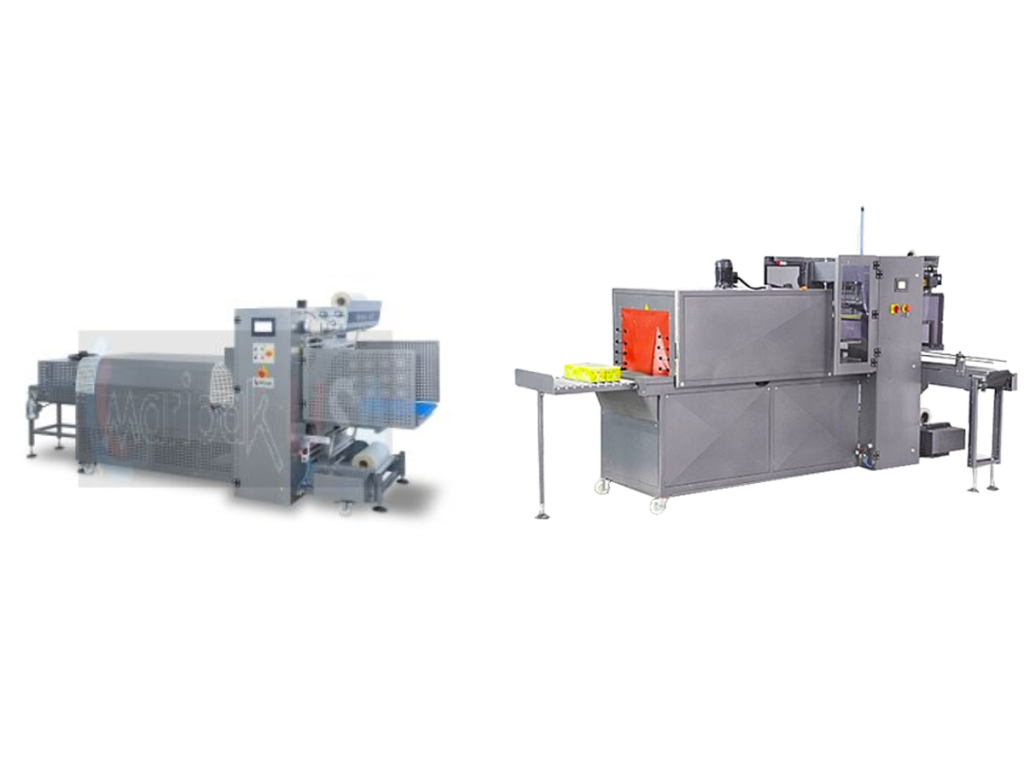
Efficient packaging is essential for businesses that want to protect products, improve presentation, and streamline production. Whether packaging food items, cosmetics, books, electronics, pharmaceuticals, or consumer goods, choosing the right equipment can significantly improve workflow and consistency. A semi automatic L sealer machine offers an effective solution for businesses that require reliable packaging performance without investing in fully automated production lines.
Combining manual product placement with automated sealing, these machines provide an excellent balance between productivity and affordability. They are widely used by small and medium-sized manufacturers, warehouses, and packaging facilities that require consistent shrink wrapping while maintaining operational flexibility. As production needs increase, semi-automatic equipment allows businesses to improve packaging efficiency without the complexity of fully automated systems.
What Is a Semi Automatic L Sealer Machine?
A semi automatic L sealer machine is a packaging system designed to wrap products in shrink film and seal the film using an L-shaped heated sealing bar. After sealing, the wrapped product is transferred to a heat shrink tunnel where controlled heat causes the film to contract tightly around the product.
Unlike fully automatic systems that handle every stage without operator involvement, semi-automatic machines require an operator to position the product before the sealing process begins. This design makes them suitable for businesses with moderate production volumes and a variety of product sizes.
How a Semi Automatic L Sealer Machine Works
The packaging process follows several straightforward steps that produce secure and professional-looking packages.
Product Placement
The operator positions the product inside the shrink film and aligns it correctly within the sealing area.
Film Sealing
The semi automatic L sealer machine lowers the L-shaped sealing bar, simultaneously cutting and sealing the shrink film around the product. The sealing mechanism creates clean and consistent edges while minimizing film waste.
Transfer to the Heat Tunnel
Once sealed, the package is moved to a heat shrink tunnel either manually or through an integrated conveyor system.
Heat Shrinking
Inside the tunnel, controlled heat evenly shrinks the film around the product, producing a tight, durable, and attractive package suitable for storage, transportation, or retail display.
Benefits of Using a Semi Automatic L Sealer Machine
Improved Packaging Consistency
The automated sealing mechanism produces uniform seals across every package, helping maintain consistent packaging quality.
Cost-Effective Solution
Compared with fully automated systems, semi-automatic machines generally require a lower initial investment while still delivering excellent productivity for medium-volume operations.
Operational Flexibility
Businesses packaging products of different sizes can easily adjust machine settings, making the equipment suitable for a wide range of applications.
Better Product Protection
Shrink film creates a protective barrier against dust, moisture, scratches, and tampering during storage and transportation.
Common Applications
A semi automatic L sealer machine is used across numerous industries because of its versatility and ease of operation.
Typical applications include:
- Food packaging
- Cosmetics
- Pharmaceuticals
- Printed materials
- Consumer electronics
- Household products
- Gift items
- E-commerce packaging
Its flexibility makes it particularly useful for businesses handling multiple product types without requiring extensive production line modifications.
Key Features to Consider
When selecting a semi-automatic packaging machine, several important factors should be evaluated.
Sealing Capacity
Choose equipment that matches expected production volumes while allowing room for future business growth.
Adjustable Settings
Machines with adjustable sealing time, temperature, and film dimensions offer greater flexibility for different packaging requirements.
Film Compatibility
Ensure the machine supports commonly used shrink films such as polyolefin (POF) or PVC, depending on the intended application.
Safety Features
Modern machines often include safety guards, emergency stop buttons, temperature monitoring, and automatic sealing controls to improve operator safety.
Best Practices for Efficient Operation
Proper maintenance and operation help maximize machine performance and extend equipment lifespan.
Recommended practices include:
- Inspect sealing blades regularly.
- Clean sealing surfaces after use.
- Monitor sealing temperatures.
- Replace worn Teflon covers when needed.
- Use compatible shrink films.
- Train operators thoroughly.
- Perform preventive maintenance according to manufacturer recommendations.
Routine maintenance helps maintain consistent sealing quality while reducing unexpected production interruptions.
Emerging Trends in Semi-Automatic Packaging Equipment
Packaging technology continues to advance with improved control systems and greater operational efficiency.
Recent developments include:
- Digital temperature controls
- Programmable sealing cycles
- Energy-efficient heating systems
- Faster sealing mechanisms
- Improved film handling systems
- Compact machine designs
- Enhanced operator safety features
These innovations enable businesses to improve packaging quality while increasing productivity and reducing material waste.
Conclusion
For businesses seeking reliable, flexible, and cost-effective packaging equipment, a semi automatic L sealer machine offers an excellent balance of performance and affordability. Its ability to produce consistent seals, accommodate different product sizes, and improve packaging efficiency makes it a valuable solution for a wide range of industries. Companies researching modern packaging technologies can also explore Maripak USA to better understand advancements in industrial shrink packaging equipment. By selecting the right machine and following proper maintenance practices, businesses can enhance product protection, streamline operations, and achieve long-term packaging reliability.
