
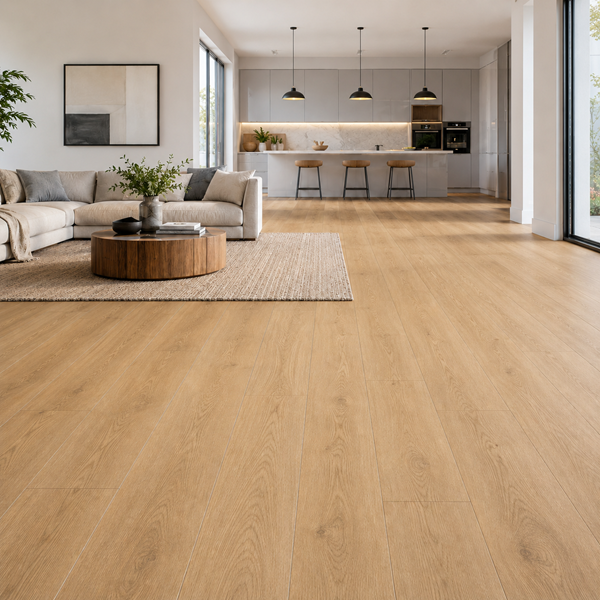
A kitchen floor can look beautiful yet feel tiring after twenty minutes of cooking. Add spilled drinks, wet shoes, or a pet accident, and choosing a floor becomes harder. You need something comfortable, but you also want reliable protection from everyday moisture.Visiting a flooring store gives you the chance to compare how different materials actually feel. Photos can show colour and grain, but they cannot show cushioning, sound, or stability.
WPC flooring aims to solve both concerns. Its layered construction creates a warmer, softer step than many hard surfaces. At the same time, its waterproof core handles ordinary household spills well. This guide explains where it works, what affects its performance, and what you should check before buying.
Why Some Floors Feel Hard, Cold, and Uncomfortable
Floor discomfort often appears slowly. At first, a hard surface may feel clean and solid. After standing in the kitchen each evening, however, you may notice tired feet or aching legs. That difference matters in rooms where people spend long periods standing.Traditional tile provides excellent water resistance, though it can feel cold and unforgiving. Some thin vinyl products also transfer the hardness of the subfloor. If the concrete below has small dips or rough areas, you may even feel them through the finished surface.
Now picture a busy Saturday morning. Someone is cooking breakfast, a child is playing nearby, and the dog keeps walking between rooms. A slightly cushioned surface feels more pleasant during that activity. It may also soften the sound of footsteps, toys, and moving chairs.A helpful flooring retailer should discuss these daily habits with you. The prettiest sample is not always the right fit. Comfort depends on the material, product thickness, underlayment, and condition of the floor beneath it.
How WPC Flooring Creates a Softer Step
WPC stands for wood-plastic composite or wood polymer composite, depending on the manufacturer. Despite the name, it is not a traditional wood floor. It is a layered vinyl product with a waterproof composite core.That core is generally thicker and less dense than the core found in SPC flooring. As a result, WPC tends to feel warmer and more forgiving underfoot. It does not feel like carpet, of course. Still, the difference can be noticeable when compared with tile or very rigid planks.
The core and underlayment work together
The composite centre gives each plank structure. Meanwhile, an attached pad may add light cushioning and sound control. This combination produces the comfortable feel buyers often notice when walking across a sample display.Product construction varies, though. A thick plank with quality backing may feel much better than a low-cost, thin option. Therefore, do not assume every WPC product offers the same experience. Compare total thickness, backing material, and core construction.
A proper subfloor also matters. Underlayment cannot hide major dips, raised seams, or damaged plywood. Those issues should be corrected during preparation. Otherwise, the planks may move, click, or feel uneven after installation.
Comfort changes how a room feels
A softer step is useful in kitchens, home offices, bedrooms, and play areas. Someone who works at a standing desk may notice less harshness during the day. Parents may also prefer a surface that feels gentler while sitting or playing with young children.WPC can reduce some impact noise as well. It will not soundproof a room, but good backing can make footsteps less sharp. In an upstairs bedroom or open-plan home, that quieter sound may be a welcome detail.
How WPC Vinyl Plank Flooring Handles Everyday Water
Water resistance is often the main reason buyers consider wpc vinyl plank flooring. Its core does not absorb ordinary spills like solid hardwood can. A dropped cup, damp mop, or pair of wet shoes is less likely to cause the plank itself to swell.That feature works well in active homes. Imagine a dog knocking over its water bowl while nobody is in the room. With waterproof WPC planks, you have more time to clean the mess without immediately fearing permanent damage.
Still, the word “waterproof” needs context. The planks may resist water, but the entire room is not automatically sealed. Moisture can enter around walls, doorways, vents, or poorly locked joints. If enough liquid reaches the subfloor, mould or odour may follow.
Clean spills when you notice them. Also, repair plumbing leaks instead of relying on the flooring to contain them. WPC offers useful protection against normal household moisture, not endless flooding or hidden water problems.Installation quality plays a major role here. Correctly joined edges reduce the chance of water slipping between planks. Cutting corners around cabinets, toilets, or door frames can weaken that protection.
Where WPC Performs Well and Where It May Not
Think about how each room is used rather than choosing one material for the entire home. WPC is usually a practical fit for kitchens, family rooms, bedrooms, hallways, and finished basements. These spaces benefit from both a comfortable step and easier spill cleanup.It can also make sense in laundry rooms where small splashes happen. However, the washing machine and supply lines should still be checked for leaks. No floating floor can protect the structure from a burst hose.
A family with young children may value easy cleaning more than a perfectly authentic wood feel. Meanwhile, a pet owner may care about water resistance and sound. In both situations, comfortable vinyl plank flooring offers a useful balance.
Rooms that require extra thought
Bathrooms introduce heavier moisture. WPC may be allowed in some bathrooms, but you must read the manufacturer’s installation instructions. Water can still travel along the perimeter or through gaps around fixtures.Constantly damp areas are another concern. An unfinished basement with active seepage needs moisture correction first. Installing new planks over the problem simply hides it for a while.
Sunrooms also deserve careful consideration. Strong sunlight and large temperature swings may affect certain products. Check temperature limits and fade protection, particularly if the room is not climate-controlled.
Mistakes That Weaken Water Protection and Comfort
Here is where buyers sometimes get caught out: they focus on colour and price, then ignore the construction underneath. Two planks may look nearly identical while having very different cores, wear layers, and warranties.The lowest-priced option can cost more later if its joints break or its surface wears quickly. That does not mean the most expensive plank is always necessary. Instead, match the product grade to the amount of traffic in the room.
Subfloor preparation is another common issue. An uneven base can place pressure on the locking system. Over time, edges may separate or produce clicking sounds. Any gap between planks gives moisture an easier path downward.Buyers also misunderstand waterproof claims. A waterproof core will not fix concrete moisture, plumbing leaks, or flooding. Likewise, it does not make careless wet cleaning risk-free. Puddles should never be left sitting for hours.
A knowledgeable local flooring shop can explain what the warranty actually covers. Ask about water damage, pet accidents, commercial use, sunlight, and installation requirements. The exclusions often matter as much as the headline promise.
How to Choose WPC Flooring for Daily Life
Start with the room, not the design sample. How often is the space used? Will pets run across it? Do children play there? Is the floor exposed to food spills, damp shoes, or direct sunlight?Next, examine the wear layer. This clear surface protects the printed design beneath it. Busier homes generally need stronger surface protection, especially in hallways and kitchens. Scratch resistance also matters if you have large dogs or frequently move chairs.
Compare the details beneath the design
Total plank thickness can influence comfort and stability. However, thickness alone does not guarantee quality. Look at the core, locking system, wear layer, finish, and attached backing as a complete package.Try walking on several installed samples. Press your heel down gently and listen to the sound. A vinyl plank with a WPC core should feel stable rather than hollow or loose. Comparing samples side by side makes subtle differences easier to notice.Check whether additional underlayment is allowed. Adding the wrong pad beneath a product with attached backing may create too much movement. That movement could strain the joints and affect the warranty.
At Sam’s Flooring, buyers can compare materials according to room use, comfort needs, and maintenance concerns. Bring rough room measurements and photos if possible. Those details make it easier to discuss suitable options without relying on guesswork.
Finding the Right Balance for Your Home
WPC sits between several flooring categories. It offers a softer feel than many rigid surfaces, yet it is easier to manage around spills than natural hardwood. That balance makes it useful for homes where comfort and water protection carry equal weight.There are trade-offs. Heavy furniture may leave pressure marks on some products. Sharp objects can damage the surface, and poor installation may weaken the joints. WPC also cannot correct moisture coming through the subfloor.
Think beyond the first day. Consider how the room will be cleaned, how much traffic it receives, and who uses it. A retired couple may have different needs from a household with three children and two dogs.A reliable flooring supplier should help you compare those needs against product specifications. Once you understand the core, wear layer, backing, and warranty, choosing becomes far less confusing. The goal is not simply a floor that looks good. It should remain comfortable and manageable through ordinary life.
Frequently Asked Questions
Does WPC feel softer than standard vinyl flooring?
Usually, yes. Its thicker composite core and attached backing often provide more cushioning. The exact feel depends on the product and subfloor.
Can WPC planks be installed in a basement?
They can work well in a dry, finished basement. However, leaks, seepage, and concrete moisture must be addressed before installation.
Will water pass through the plank joints?
It can. The core may be waterproof, but water can reach the subfloor through open seams, room edges, or poorly cut areas.
Is WPC flooring suitable for pets?
Yes, it often suits pet-friendly homes because spills are easier to clean. Choose a strong wear layer and keep pet nails trimmed to limit scratches.
How long can WPC flooring last?
Service life depends on product quality, traffic, installation, and care. Review the residential warranty, but also read its exclusions carefully.
Does WPC require special cleaning products?
Use a manufacturer-approved cleaner and a lightly damp mop. Avoid steam cleaners, abrasive products, waxes, and large amounts of standing water.
