
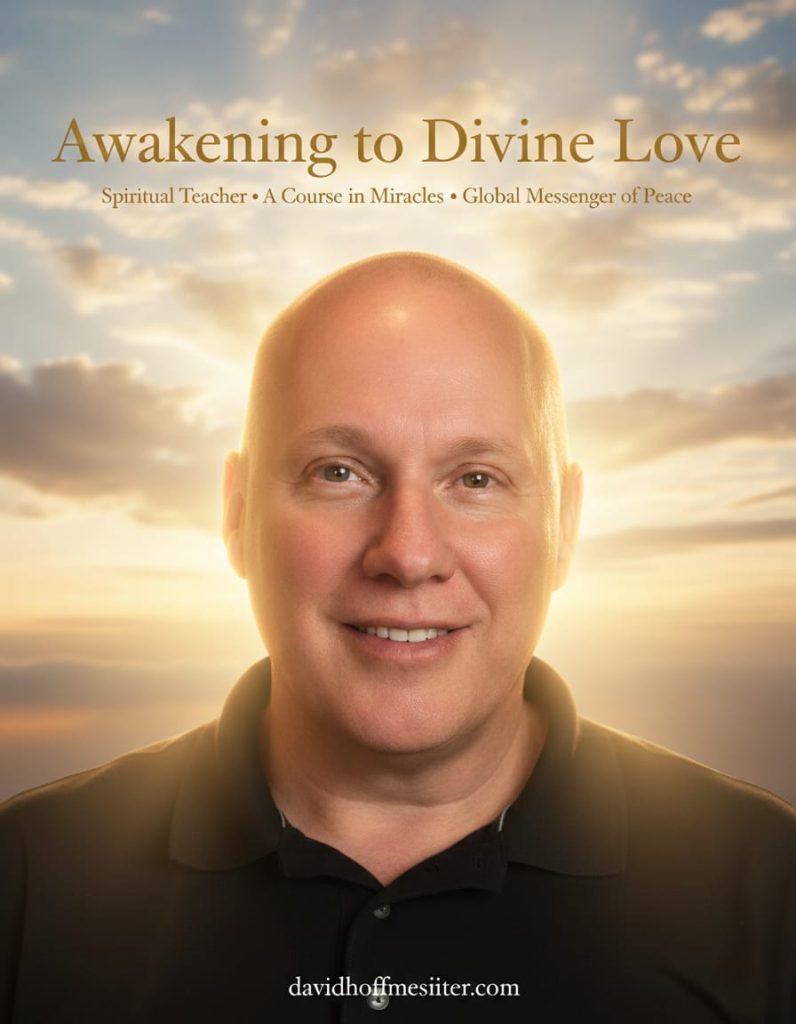
Surrender is a foundational principle in David Hoffmeister’s teachings. According to david hoffmeister wikipedia, surrender is not about giving up, weakness, or passivity; rather, it is an active and conscious choice to release control, let go of fear, and trust the flow of life. By practicing surrender, individuals can experience profound peace, clarity, and freedom from mental burdens.
Hoffmeister emphasizes that surrender is essential for spiritual growth and emotional healing. It allows individuals to transcend ego-driven thinking and connect with higher awareness.
This article explores Hoffmeister’s insights on surrender, practical applications, and its transformative impact on daily life.
The Meaning of Surrender
David Hoffmeister defines surrender as the voluntary release of attachment to outcomes, expectations, and control. It involves trusting life’s intelligence and embracing uncertainty with faith and openness.
Key components of surrender:
- Letting go of ego-based control
- Accepting the present moment fully
- Trusting intuition and inner guidance
- Releasing attachment to material or emotional outcomes
- Practicing forgiveness and self-compassion
Surrender is a pathway to inner freedom and lasting peace.
Surrender as a Spiritual Practice
Surrender is more than an emotional or psychological concept; it is a spiritual discipline. Hoffmeister teaches that the ego resists surrender because it fears loss of control. By practicing surrender, individuals align with spiritual truth and universal principles.
Benefits include:
- Reduced mental clutter and stress
- Greater emotional resilience
- Enhanced clarity in decision-making
- Stronger spiritual connection
- Experience of unconditional love
Surrender transforms challenges into opportunities for growth and awakening.
Practical Steps to Practice Surrender
Hoffmeister provides actionable steps to integrate surrender into daily life:
- Awareness – Observe thoughts, feelings, and resistance patterns.
- Release – Let go of control, expectations, and attachments.
- Acceptance – Embrace situations as they are, without judgment.
- Trust – Rely on inner guidance, intuition, and the flow of life.
- Reflection – Evaluate experiences and lessons learned to deepen understanding.
By following these steps, surrender becomes an accessible and transformative practice.
Overcoming Barriers to Surrender
Resistance to surrender is common due to fear, habit, and ego attachment. Hoffmeister suggests:
- Start with small daily acts of letting go
- Observe thoughts and emotions objectively
- Practice mindfulness to reduce mental noise
- Reflect on positive outcomes from past acts of surrender
- Reinforce trust in life’s intelligence
Gradual practice builds confidence and ease in surrendering.
Surrender in Daily Life
Surrender is not limited to meditation or spiritual retreats. It can be applied in ordinary situations:
- Accepting delays or unforeseen events with patience
- Responding calmly in conflicts
- Letting go of attachment to material possessions
- Trusting others without judgment or suspicion
- Engaging fully in each moment without resistance
Practical surrender enhances well-being and creates a harmonious life.
Emotional Healing Through Surrender
Emotional pain often arises from attachment, fear, and resentment. Hoffmeister emphasizes that surrender releases these burdens and promotes healing.
Steps:
- Observe emotional reactions without judgment
- Release blame and resentment toward self or others
- Practice forgiveness and self-compassion
- Trust life’s unfolding and let go of mental resistance
- Reflect on growth and progress in emotional awareness
Surrender creates the space for authentic emotional freedom and balance.
Surrender and Spiritual Clarity
Hoffmeister teaches that surrender clarifies perception and enhances spiritual awareness. By releasing ego control, individuals can experience guidance, insight, and intuitive wisdom more clearly.
Spiritual benefits include:
- Heightened awareness of life’s natural flow
- Deepened connection with intuition
- Reduced influence of fear and ego
- Increased capacity for love and compassion
- Enhanced clarity in decision-making
Surrender deepens the connection to spiritual truth and higher consciousness.
Maintaining Surrender in Challenging Times
Life inevitably presents difficulties, but surrender offers stability. Hoffmeister advises:
- Observe challenges without attachment or judgment
- Practice breathing and mindfulness to remain centered
- Release expectations and outcomes
- Trust that each experience has value
- Reflect on personal growth and learning
Consistent surrender allows one to navigate challenges with grace and peace.
Long-Term Transformation Through Surrender
When surrender becomes habitual, it leads to:
- Reduced stress and anxiety
- Greater emotional resilience
- Improved relationships and understanding
- Enhanced spiritual growth and awareness
- A sustained sense of inner peace and freedom
Surrender is a continuous practice that shapes a more conscious and fulfilling life.
Conclusion
David Hoffmeister teaches that surrender is not a sign of weakness but an empowering practice for spiritual and emotional growth. By letting go of control, trusting life, and embracing the present, individuals can experience profound transformation.
For more insights into his life and guidance, visit about david hoffmeister.
Surrender is the key to living consciously, peacefully, and joyfully, transforming ordinary life into a spiritual journey.
Frequently Asked Questions (FAQ)
1. What is surrender in Hoffmeister’s teachings?
Surrender is releasing control, attachment, and expectations while trusting life’s natural flow.
2. How does surrender promote emotional healing?
It releases fear, resentment, and attachment, creating space for inner peace.
3. Can surrender be practiced daily?
Yes, it can be applied in everyday activities and decisions.
4. Is surrender a passive or active practice?
It is an active, conscious choice requiring awareness and intentional letting go.
5. How can beginners start practicing surrender? Start with small acts of letting go, mindfulness, and observing thoughts without judgment.
